
Mt. Makalu Expedition
60 Days
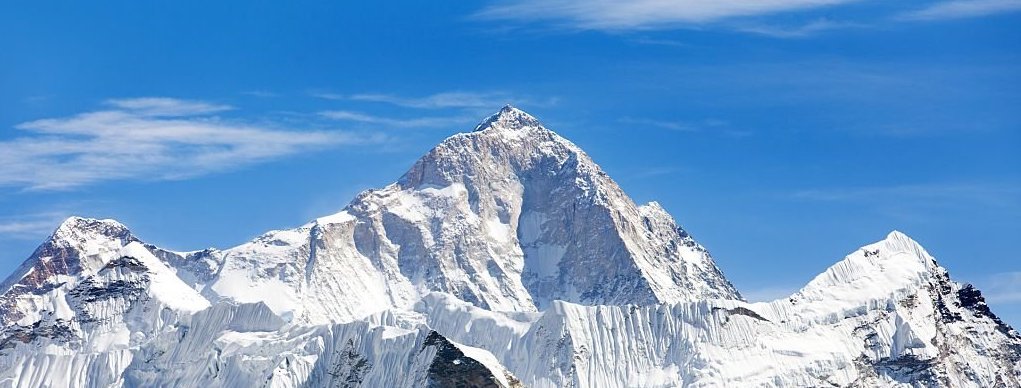
MAKALU EXPEDITION (8,485 m)
“The Great Pyramid of the Himalayas.”
Overview
Mount Makalu, the fifth-highest mountain in the world, is known for its dramatic pyramid shape and remote wilderness. Located within Makalu Barun National Park, it offers a powerful blend of natural beauty and solitude.
Why This Journey Is Special
-
Fifth-highest mountain on Earth
-
Sacred association with Lord Shiva
-
Exceptional biodiversity
-
Remote expedition environment
-
Rare Himalayan stillness
Journey Highlights
-
Makalu Barun National Park trek
-
Dense forests to glacial terrain
-
Technical climbing sections
-
Extended acclimatization
-
Pristine mountain silence
Mount Makalu Expedition Itinerary (8,485 m)
The fifth-highest mountain in the world and one of the Himalaya’s most technical giants
Total Duration: 55–60 Days
Region: Makalu–Barun Himal, Eastern Nepal
Expedition Style: Full-service / Supported Expedition
Day 01–02: Arrival in Kathmandu (1,350 m)
-
Arrival at Tribhuvan International Airport
-
Transfer to hotel
-
Rest and recovery after international travel
-
Welcome dinner and expedition briefing
Day 03–05: Kathmandu – Expedition Preparation
-
Makalu permit processing and liaison briefing
-
Gear inspection and final equipment check
-
Route and safety briefings
-
Meet climbing Sherpa team and expedition staff
-
Cultural orientation and light sightseeing
Day 06: Fly Kathmandu to Tumlingtar
-
Scenic flight to eastern Nepal
-
Overnight at lodge or hotel
Day 07–12: Trek to Makalu Base Camp (4,870 m)
Day 07: Tumlingtar – Num
Day 08: Num – Seduwa
Day 09: Seduwa – Tashigaon
Day 10: Tashigaon – Khongma Danda
Day 11: Khongma Danda – Dobato
Day 12: Dobato – Makalu Base Camp
-
Trek through Makalu-Barun National Park
-
Rapid landscape change from subtropical forest to alpine terrain
-
Gradual acclimatization with dramatic scenery
Day 13–16: Base Camp Setup & Acclimatization
-
Establish permanent Base Camp
-
Organize loads and camp infrastructure
-
Acclimatization hikes and rest days
-
Technical skill refreshers
Day 17–38: Acclimatization & Camp Rotation Phase
Climbing Route Overview (Normal Route – Northwest Ridge)
-
Camp I: ~6,100 m
-
Camp II: ~6,600 m
-
Camp III: ~7,400 m
-
Camp IV: ~7,800 m
Activities include:
-
Multiple rotations between Base Camp and higher camps
-
Load carrying and rope fixing on steep sections
-
Ice, snow, and mixed climbing
-
Ongoing weather and health assessments
Makalu demands strong technical ability and patience during acclimatization.
Day 39–47: Summit Window
-
Final rest and weather monitoring
-
Summit push from Camp IV
-
Early alpine start
-
Reach Mount Makalu Summit (8,485 m)
-
Careful descent to lower camps and Base Camp
Day 48–51: Contingency & Extra Weather Days
-
Reserved buffer days for:
-
Weather delays
-
Additional summit attempt
-
Safe descent planning
-
Day 52–55: Trek Back to Tumlingtar
-
Gradual descent through remote valleys
-
Team reflection and celebration
Day 56: Fly Tumlingtar to Kathmandu
-
Transfer to hotel
-
Expedition debrief and documentation
Day 57–60: Final Days & Departure
-
Rest, recovery, and optional sightseeing
-
Flex days for flight delays
-
Departure from Nepal
Journey Beyond the Trail
Moments of grounding, awareness, and cultural presence—woven naturally into the expedition, beyond the summit itself.
Best Season
-
April to May
Difficulty Level
Very Challenging
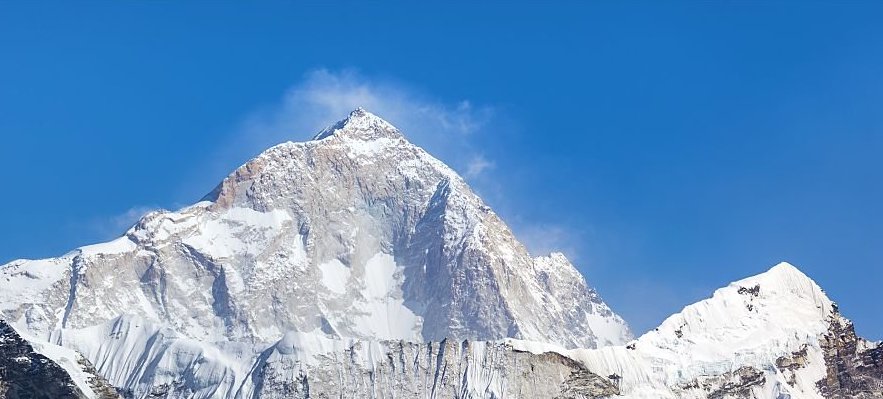
Did You Know? — Mount Makalu
is named after Maha Kala, a powerful form of Lord Shiva symbolizing time and transformation.
Did you know that Mount Makalu (8,485 m) is the fifth-highest mountain in the world, yet one of the least climbed among the 8,000-meter peaks? Its striking pyramid shape rises sharply along the Nepal–Tibet border, creating one of the most visually dramatic silhouettes in the Himalayas. Unlike Everest’s broader summit dome, Makalu’s summit ridge is narrow and exposed, demanding precision, strength, and strong technical ability.
The journey to Makalu Base Camp passes through the Makalu-Barun National Park, one of Nepal’s most biodiverse and untouched protected areas. Within a short span of elevation, the landscape shifts from lush subtropical forests to alpine meadows and high glaciers. Rare wildlife such as the red panda and snow leopard inhabit this region, making the expedition approach feel like a true wilderness experience rather than a commercial trekking corridor.
Makalu was first summited in 1955 by a French expedition, and it quickly earned a reputation as a mountain for experienced climbers seeking purity over popularity. With fewer crowds, limited infrastructure, and long, remote access routes, Makalu offers a deeper sense of isolation. For many mountaineers, the journey here is not only about reaching 8,485 meters—it is about stepping into one of the Himalaya’s last truly untamed frontiers.
The Makalu-Barun region is one of the few places where tropical forests and permanent ice exist within a short vertical distance.
Makalu is among the least crowded 8,000-meter peaks, preserving its raw wilderness and spiritual atmosphere.