
Mt. Kanchenjunga Expedition
60 Days

KANCHENJUNGA EXPEDITION (8,586 m)
“The Sacred Five Treasures of Snow.”
Overview
Mount Kanchenjunga, the third-highest mountain in the world, rises majestically in eastern Nepal. Its name means “Five Treasures of the High Snow,” symbolizing prosperity, wisdom, and spiritual protection.
This expedition offers a traditional Himalayan climbing experience in one of Nepal’s most remote and culturally preserved regions.
Why This Journey Is Special
-
Third-highest mountain on Earth
-
Deep spiritual reverence by locals
-
Remote and less-crowded expedition
-
Traditional climbing ethics respected
-
Pristine Himalayan wilderness
Journey Highlights
-
Remote eastern Nepal landscapes
-
Limbu and Rai cultural encounters
-
Long acclimatization cycles
-
Respectful summit traditions
-
Untouched Himalayan silence
Mount Kangchenjunga Expedition Itinerary (8,586 m)
The world’s third-highest mountain and one of the most remote great Himalayan expeditions
Total Duration: 60–65 Days
Region: Kangchenjunga Himal, Eastern Nepal
Expedition Style: Full-service / Supported Expedition
Day 01–02: Arrival in Kathmandu (1,350 m)
-
Arrival at Tribhuvan International Airport
-
Transfer to hotel
-
Rest and recovery after international travel
-
Welcome dinner and expedition briefing
Day 03–05: Kathmandu – Expedition Preparation
-
Kangchenjunga permit processing and liaison briefing
-
Gear inspection and final equipment checks
-
Route, safety, and environmental briefings
-
Meet climbing Sherpa team and expedition staff
-
Cultural orientation and light sightseeing
Day 06: Fly Kathmandu to Bhadrapur – Drive to Taplejung
-
Scenic flight to eastern Nepal
-
Drive to Taplejung through rural landscapes
-
Overnight at lodge
Day 07–14: Trek to Kangchenjunga Base Camp (5,140 m)
Day 07: Taplejung – Mitlung
Day 08: Mitlung – Chirwa
Day 09: Chirwa – Sekathum
Day 10: Sekathum – Amjilosa
Day 11: Amjilosa – Gyabla
Day 12: Gyabla – Ghunsa
Day 13: Acclimatization day in Ghunsa
Day 14: Ghunsa – Kangchenjunga Base Camp
-
Trek through remote Limbu and Tibetan-influenced villages
-
Dense forests, alpine valleys, and glacier terrain
-
Excellent acclimatization profile due to long approach
Day 15–19: Base Camp Setup & Acclimatization
-
Establish permanent Base Camp
-
Organize equipment, loads, and camp infrastructure
-
Acclimatization hikes and rest days
-
Ice and rope skills refresher
Day 20–42: Acclimatization & Camp Rotation Phase
Climbing Route Overview (Normal Route – Southwest Face)
-
Camp I: ~6,100 m
-
Camp II: ~6,700 m
-
Camp III: ~7,400 m
-
Camp IV: ~7,800 m
Activities include:
-
Multiple rotations between Base Camp and higher camps
-
Load carrying and rope fixing on mixed terrain
-
Glacier navigation and avalanche assessment
-
Continuous weather and health monitoring
Kangchenjunga demands endurance, patience, and strong expedition discipline.
Day 43–52: Summit Window
-
Final rest and weather evaluation
-
Summit push from Camp IV
-
Early alpine start
-
Reach Mount Kangchenjunga Summit (8,586 m)
-
Traditional summit protocol: climbers stop a few meters below the true summit in respect for local beliefs
-
Safe descent to Base Camp
Day 53–56: Contingency & Extra Weather Days
-
Reserved buffer days for:
-
Weather delays
-
Additional summit attempt
-
Safe descent planning
-
Day 57–60: Trek Back to Taplejung
-
Gradual descent through remote valleys
-
Team celebration and reflection
Day 61: Drive to Bhadrapur – Fly to Kathmandu
-
Transfer to hotel
-
Expedition debrief and documentation
Day 62–65: Final Days & Departure
-
Rest, recovery, and optional sightseeing
-
Flex days for flight or weather delays
-
Departure from Nepal
Journey Beyond the Trail
Moments of humility, reflection, and cultural respect—woven naturally into the expedition, honoring both mountain and tradition.
Best Season
-
April to May
Difficulty Level
Extremely Challenging
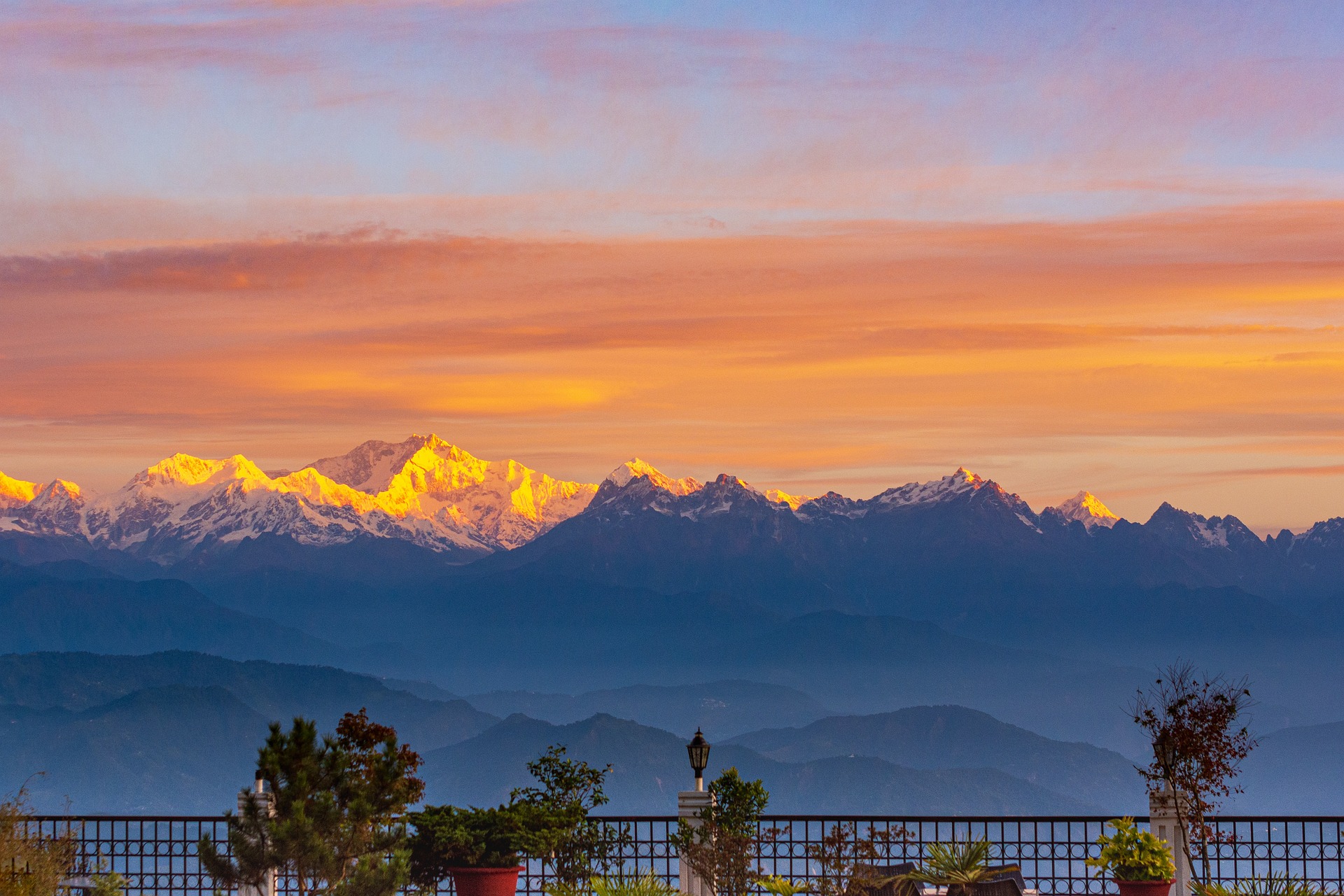
Did You Know? — Mount Kanchenjunga
is so sacred that climbers traditionally stop a few meters below the true summit to respect local beliefs — a tradition still honored today.
Did you know that Kangchenjunga (8,586 m) is the third-highest mountain in the world, yet remains one of the least climbed among the great 8,000-meter peaks? Its name means “Five Treasures of the Great Snow”, referring to its five prominent summits, which local legend says hold sacred treasures of gold, silver, gems, grain, and holy scriptures. The mountain stands as both a physical giant and a deeply revered presence in eastern Nepal and Sikkim.
Unlike other Himalayan giants, climbers on Kangchenjunga traditionally stop just short of the true summit out of respect for local spiritual beliefs. Since the first ascent in 1955, many expeditions have honored this custom, preserving the sacred identity of the peak. This quiet act of humility sets Kangchenjunga apart, making the climb not only a test of endurance but also a journey grounded in cultural respect.
The approach to Kangchenjunga Base Camp is among the longest and most remote in Nepal. The trek passes through Kangchenjunga Conservation Area, home to ancient forests, glacial rivers, and rare wildlife such as snow leopards and red pandas. With fewer climbers and minimal commercial traffic, the expedition feels truly exploratory—offering a rare opportunity to experience the Himalayas in their most untouched and authentic form.
The five peaks of Kanchenjunga represent five divine treasures believed to protect the surrounding land and people.
The region remains one of Nepal’s least modernized Himalayan areas, preserving ancient rituals, language, and mountain culture.