
Mt. Lhotse Expedition
60 Days
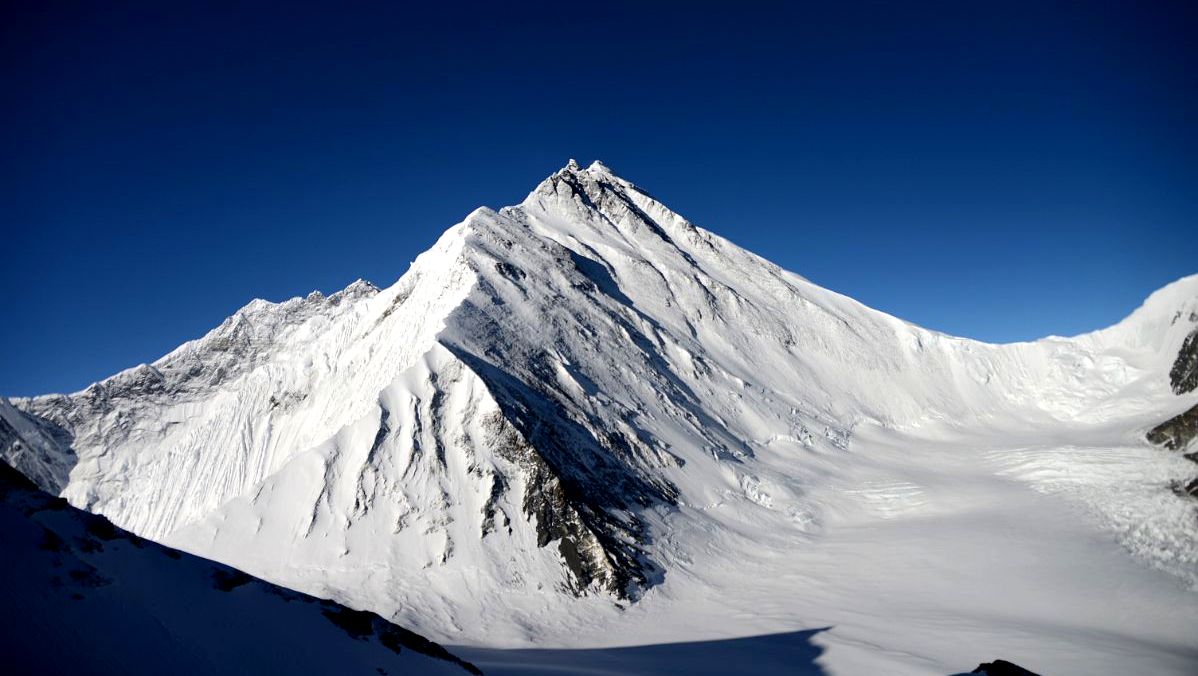
MOUNT LHOTSE EXPEDITION (8,516 m)
“The South Face of the Sky.”
Overview
Mount Lhotse, standing at 8,516 meters, is the fourth-highest mountain in the world and rises immediately south of Mount Everest. Known as Lhotse Ri in Tibetan, meaning “South Peak,” it shares much of its approach with Everest before branching into a bold and technically demanding climb.
The Lhotse Expedition combines the legendary Khumbu trekking route with high-altitude mountaineering excellence. While often overshadowed by Everest, Lhotse offers a quieter, more focused summit experience — one that rewards climbers seeking technical challenge, precision, and Himalayan purity.
Why This Journey Is Special
-
Fourth-highest mountain on Earth
-
Iconic Lhotse South Face
-
Shared route with Everest up to Camp III
-
Less crowded than Everest
-
Technically demanding summit push
Journey Highlights
-
Trek through Sagarmatha National Park
-
Acclimatization at Everest Base Camp
-
Climb the Lhotse Face (ice wall)
-
Summit attempt via Couloir Route
-
Panoramic views of Everest, Nuptse, and Makalu
Itinerary (55–60 Days)
Most Popular Lhotse Expedition Duration
Includes arrival in Kathmandu, trek to Everest Base Camp, acclimatization rotations, technical climbing on the Lhotse Face, summit window, and safe descent.
Cost Includes
-
Mountaineering permits and royalties
-
Domestic flights and ground transport
-
Professional Sherpa climbing support
-
Fixed ropes and high-camp logistics
-
Accommodation and meals
-
Staff insurance
-
Government taxes and service charges
Cost Excludes
-
International airfare
-
Personal climbing equipment
-
Personal oxygen and masks
-
Travel insurance
-
Summit bonus and tips
-
Any service not listed under “Cost Includes”
Best Season
-
April to May
Difficulty Level
Extremely Challenging
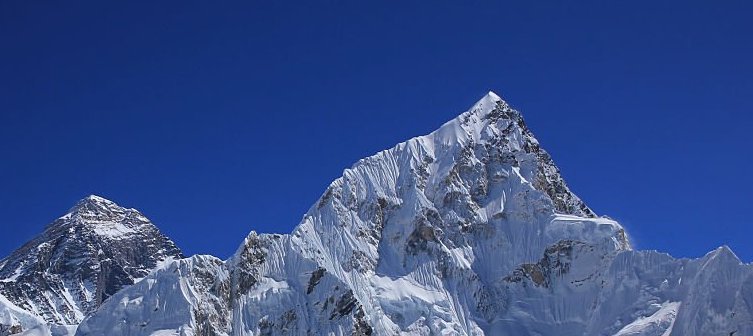
Did You Know? — Mount Lhotse
Lhotse’s South Face is considered one of the most technically demanding faces in the Himalayas, rising nearly 3,300 meters almost vertically — one of the largest mountain faces in the world.
Although Lhotse shares much of its route with Everest, its summit push diverges sharply, offering a quieter and more focused climb once above Camp III.
Lhotse was first summited in 1956 by a Swiss expedition, and its dramatic presence forms part of the sacred Khumbu skyline revered by the Sherpa community.