
Mt. Dhaulagiri Expedition
55 Days
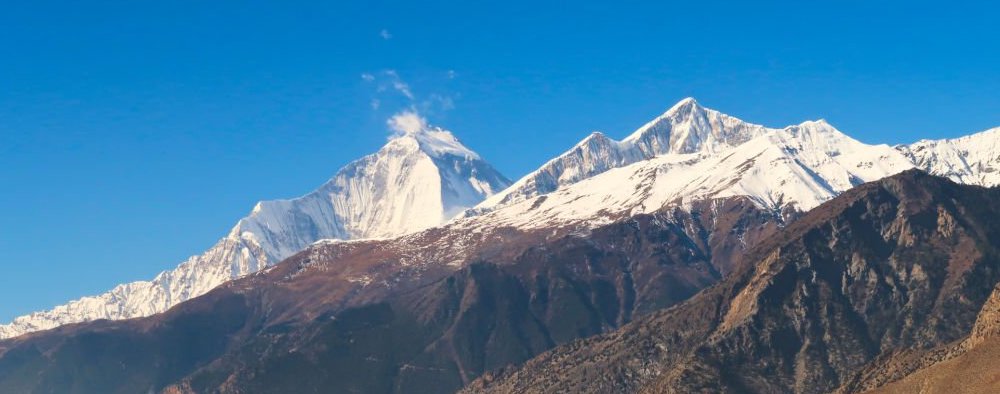
DHAULAGIRI EXPEDITION (8,167 m)
“The White Mountain.”
Overview
Mount Dhaulagiri, the seventh-highest mountain in the world, dominates western Nepal with its massive ice faces and dramatic relief.
Why This Journey Is Special
-
Seventh-highest peak globally
-
Remote expedition route
-
Dramatic icefall systems
-
Rarely crowded mountain
Journey Highlights
-
Dhaulagiri Icefall
-
Hidden Valley approach
-
Technical high camps
-
Wild Himalayan landscapes
Dhaulagiri Expedition Itinerary (8,167 m)
One of the world’s most demanding and rewarding Himalayan expeditions
Total Duration: 55–60 Days
Region: Dhaulagiri Himal, Western Nepal
Expedition Style: Full-service / Supported Expedition
Day 01–02: Arrival in Kathmandu (1,350 m)
-
Arrival at Tribhuvan International Airport
-
Transfer to hotel
-
Rest and recovery after international travel
-
Welcome dinner and expedition briefing
Day 03–05: Kathmandu – Expedition Preparation
-
Government permit processing
-
Gear checking and final shopping
-
Detailed route and safety briefings
-
Meet climbing Sherpa team and staff
-
Cultural orientation and light city exploration
Day 06: Fly Kathmandu to Pokhara (820 m)
-
Scenic flight with Himalayan views
-
Overnight in Pokhara
-
Final equipment recheck
Day 07: Drive Pokhara to Darbang (1,110 m)
-
Drive through scenic valleys and traditional villages
-
Overnight at local lodge or tented camp
Day 08–12: Trek to Dhaulagiri Base Camp (4,750 m)
Day 08: Darbang – Dharapani
Day 09: Dharapani – Muri
Day 10: Muri – Bagar
Day 11: Bagar – Italian Base Camp
Day 12: Italian Base Camp – Dhaulagiri Base Camp
-
Trek through remote villages, forests, and glacial valleys
-
Gradual acclimatization
-
First close views of Dhaulagiri massif
Day 13–16: Base Camp Setup & Acclimatization
-
Establish permanent Base Camp
-
Rope fixing preparation
-
Load organization and rotation planning
-
Acclimatization hikes and rest days
Day 17–38: Acclimatization & Camp Rotation Phase
Climbing Route Overview
-
Camp I: ~5,900 m
Day 39–47: Summit Window
-
Final rest and weather monitoring
-
Summit push from Camp III
-
Early alpine start for summit attempt
-
Reach Dhaulagiri Summit (8,167 m)
-
Descend safely back to Base Camp
Summit timing depends entirely on weather and climber condition.
Day 48–51: Contingency & Extra Weather Days
-
Reserved buffer days for:
-
Weather delays
-
Second summit attempt
-
Safe descent planning
-
Day 52–54: Trek Back to Darbang
-
Gradual descent
-
Celebration and team reflection
-
Return trek through the same route
Day 55: Drive Darbang to Pokhara
-
Drive back to Pokhara
-
Rest, hot showers, and celebration dinner
Day 56: Fly Pokhara to Kathmandu
-
Transfer to hotel
-
Expedition debrief and documentation
Day 57–60: Final Days & Departure
-
Leisure days in Kathmandu
-
Optional sightseeing or recovery massage
-
Departure from Nepal
Journey Beyond the Trail
Moments of quiet reflection, gratitude, and cultural grounding—woven naturally into the expedition, offering something meaningful beyond the summit.
Best Season
-
April to May
Difficulty Level
Extremely Challenging
Beyond the Dhaulagiri, Juntara Trek & Expedition offers a wide range of Himalayan adventures for true explorers. From the remote wilderness of Makalu Base Camp to the technical beauty of Ama Dablam and the classic Manaslu, there is always another summit to pursue.
The best seasons for expeditions are Spring (March–May) and Autumn (September–November), offering stable weather and clear mountain views.
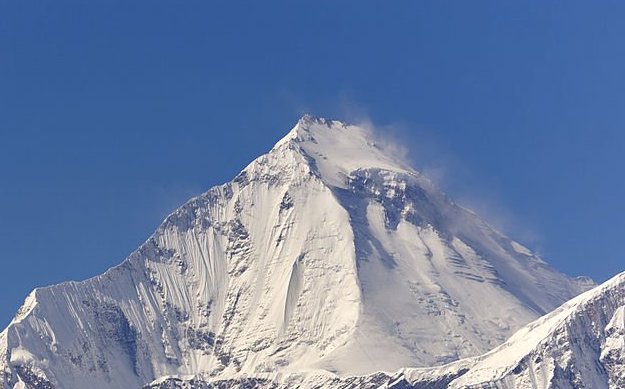
Did You Know? — Mount Dhaulagiri
means “White Mountain” in Sanskrit.
It was once believed to be the highest mountain in the world before Everest was measured.
Did you know that Dhaulagiri rises directly from deep river valleys, creating one of the greatest vertical reliefs on Earth? From the Kali Gandaki River to the summit, the elevation gain is over 5,500 meters, making the mountain appear even more massive and dramatic than many higher peaks. This extreme rise is one reason the journey to Dhaulagiri feels so powerful and remote, even before climbers reach Base Camp.
Long before it became a mountaineering objective, the Dhaulagiri region was a historic trade corridor, linking Tibet and Mustang with the lowlands of Nepal. Villages along the approach route still reflect this legacy through their architecture, Buddhist prayer flags, and age-old mountain lifestyles. Trekkers and climbers pass through landscapes where human presence remains minimal, allowing the mountain to dominate both the horizon and the experience.
Unlike many Himalayan giants, Dhaulagiri stands almost entirely alone, separated from neighboring peaks by deep gorges and glaciers. This isolation exposes climbers to raw alpine conditions, rapidly changing weather, and a true sense of expedition travel. For many, the journey to Dhaulagiri is not just about reaching an 8,000-meter summit—it’s about entering one of the last truly wild mountain environments in the Himalayas.