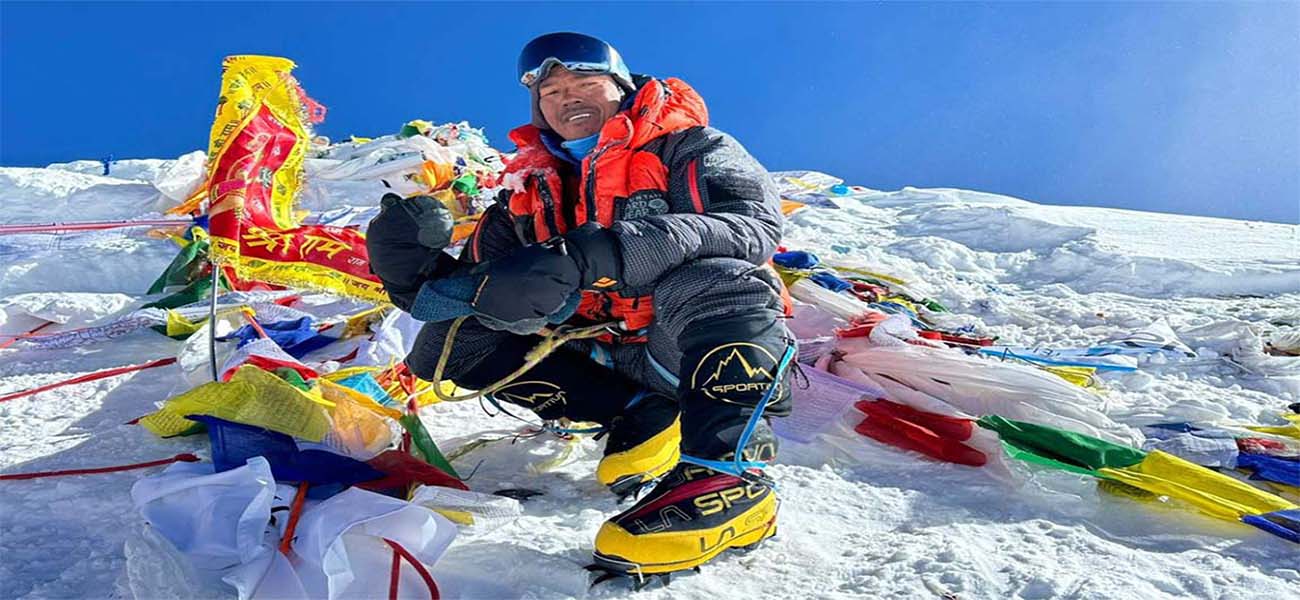
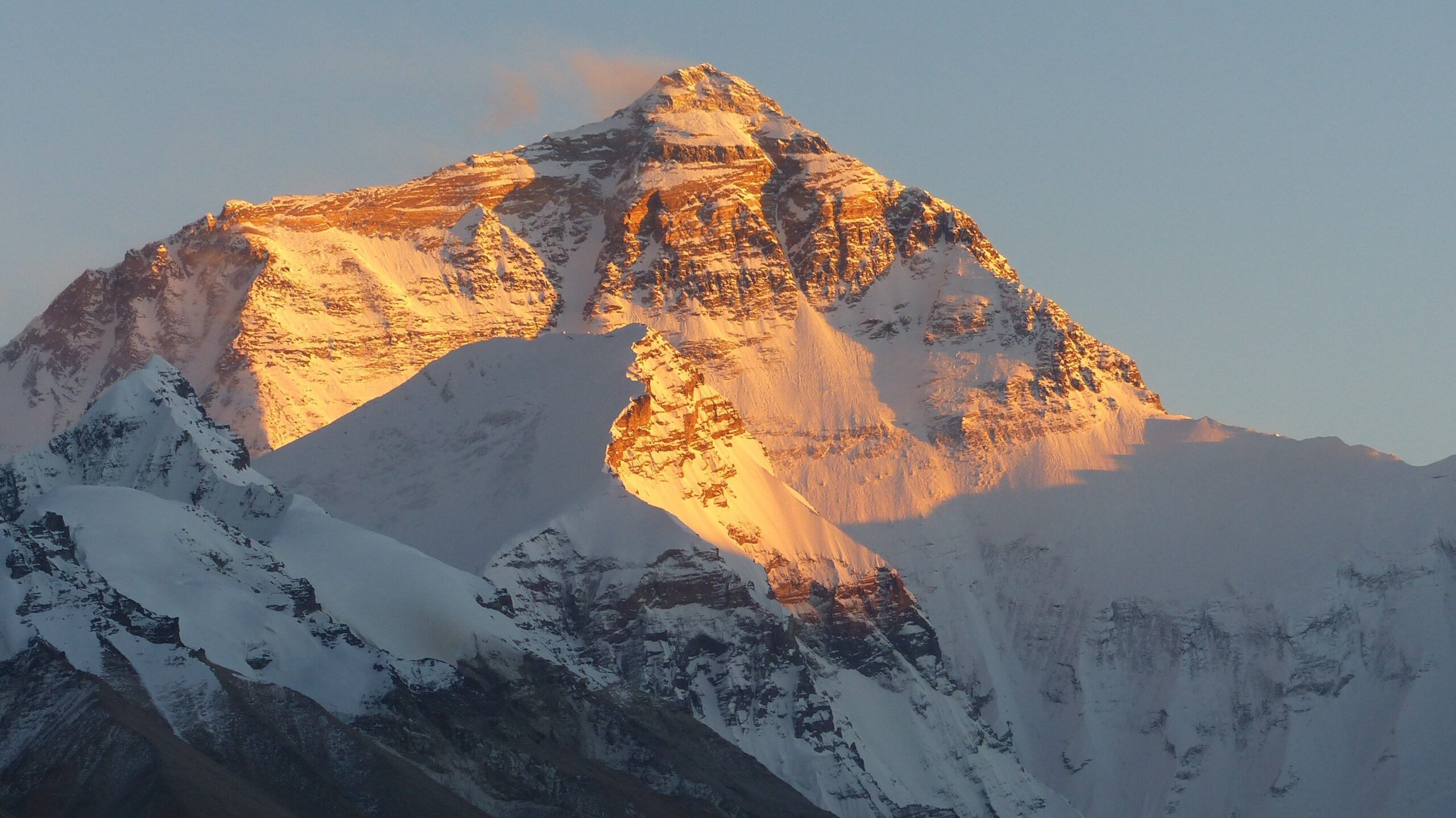
EVEREST EXPEDITION (8,848.86 m)
“Standing at the top of the world.”
Overview
The Mount Everest Expedition is the ultimate Himalayan journey, leading climbers to the highest point on Earth at 8,848.86 meters. Known locally as Sagarmatha and Chomolungma, Everest is revered as a sacred mother mountain and a symbol of human aspiration.
This expedition follows the classic South Col route, combining high-altitude mountaineering, disciplined acclimatization, and deep respect for the Khumbu region’s Sherpa culture.
Why This Journey Is Special
-
Highest mountain on Earth
-
Sacred mountain in Sherpa Buddhist tradition
-
Legendary South Col climbing route
-
Deep cultural immersion in the Khumbu region
-
A true test of endurance, discipline, and purpose
Journey Highlights
-
Trek through Sagarmatha National Park
-
Acclimatization climbs on surrounding peaks
-
Establishment of multiple high camps
-
Summit attempt via South Col
-
Unmatched Himalayan panoramas
Mount Everest Expedition Itinerary (8,848.86 m)
The ultimate Himalayan expedition to the world’s highest peak
Total Duration: 55–65 Days
Region: Khumbu (Everest) Region, Nepal
Expedition Style: Full-service / Supported Expedition
Day 01–02: Arrival in Kathmandu (1,350 m)
-
Arrival at Tribhuvan International Airport
-
Transfer to hotel
-
Rest and recovery after international travel
-
Welcome dinner and expedition briefing
Day 03–05: Kathmandu – Expedition Preparation
-
Everest permit processing and liaison briefing
-
Gear inspection and final shopping
-
Icefall safety and route briefings
-
Meet climbing Sherpa team and expedition staff
-
Cultural orientation and light sightseeing
Day 06: Fly Kathmandu to Lukla (2,860 m) – Trek to Phakding
-
Scenic mountain flight to Lukla
-
Short trek to Phakding
-
Overnight at lodge
Day 07–11: Trek to Everest Base Camp (5,364 m)
Day 07: Phakding – Namche Bazaar
Day 08: Acclimatization day in Namche
Day 09: Namche – Tengboche
Day 10: Tengboche – Dingboche
Day 11: Dingboche – Everest Base Camp
-
Trek through Sherpa villages and monasteries
-
Gradual acclimatization
-
First views of Everest, Lhotse, and Nuptse
Day 12–15: Base Camp Setup & Acclimatization
-
Establish permanent Everest Base Camp
-
Icefall training and ladder practice
-
Load organization and acclimatization hikes
-
Rest and health monitoring
Day 16–38: Acclimatization & Camp Rotation Phase
Climbing Route Overview (South Col Route)
-
Camp I: ~6,065 m (Khumbu Icefall)
-
Camp II: ~6,400 m (Western Cwm)
-
Camp III: ~7,200 m (Lhotse Face)
-
Camp IV: ~7,950 m (South Col)
Activities include:
-
Multiple rotations between Base Camp and higher camps
-
Icefall crossings and fixed rope climbing
-
Load carries and rest cycles
-
Continuous weather and physical assessment
Proper acclimatization is critical for summit success and safety.
Day 39–48: Summit Window
-
Final rest at Base Camp
-
Summit push via South Col
-
Early alpine start for summit day
-
Reach Mount Everest Summit (8,848.86 m)
-
Safe descent to lower camps and Base Camp
Day 49–53: Contingency & Extra Weather Days
-
Reserved buffer days for:
-
Weather delays
-
Additional summit attempt
-
Safe descent planning
-
Day 54–56: Trek Back to Lukla
-
Gradual descent through Khumbu villages
-
Celebration and reflection with the team
Day 57: Fly Lukla to Kathmandu
-
Transfer to hotel
-
Expedition debrief and certification
Day 58–65: Final Days & Departure
-
Rest, recovery, and optional sightseeing
-
Flex days for weather-related flight delays
-
Departure from Nepal
Journey Beyond the Trail
Quiet moments of reflection, cultural grounding, and gratitude—woven naturally into the expedition, offering meaning beyond the summit.
Cost Includes
-
Expedition permits and climbing royalties
-
Domestic flights & ground transportation
-
High-altitude Sherpa support
-
Fixed ropes, camps, oxygen logistics
-
Accommodation & meals during expedition
-
Guide, porter, and Sherpa insurance
-
Government taxes and service charges
Cost Excludes
-
International airfare
-
Personal climbing gear
-
Personal oxygen use
-
Travel insurance
-
Summit bonus & tips
Best Season
-
April to May
Difficulty Level
Extremely Challenging
Only for experienced high-altitude climbers.